

PADI specialties in Tabarca

PADI deep Diver
After your first few dives, you soon want to explore a little more depth. There is something exciting and amazing in the depth that attracts divers.
The fun part
The fun part about this course is the opportunity to explore the depths. It’s really fun.
What you will learn:
-
Techniques of diving to depths of between 18 and 40 metres/ 60-130 feet.
-
Equipment considerations for deep diving.
-
Experience in the planning, organization and execution of at least four deep dives under the supervision of your PADI Instructor.
PADI Wreck diving
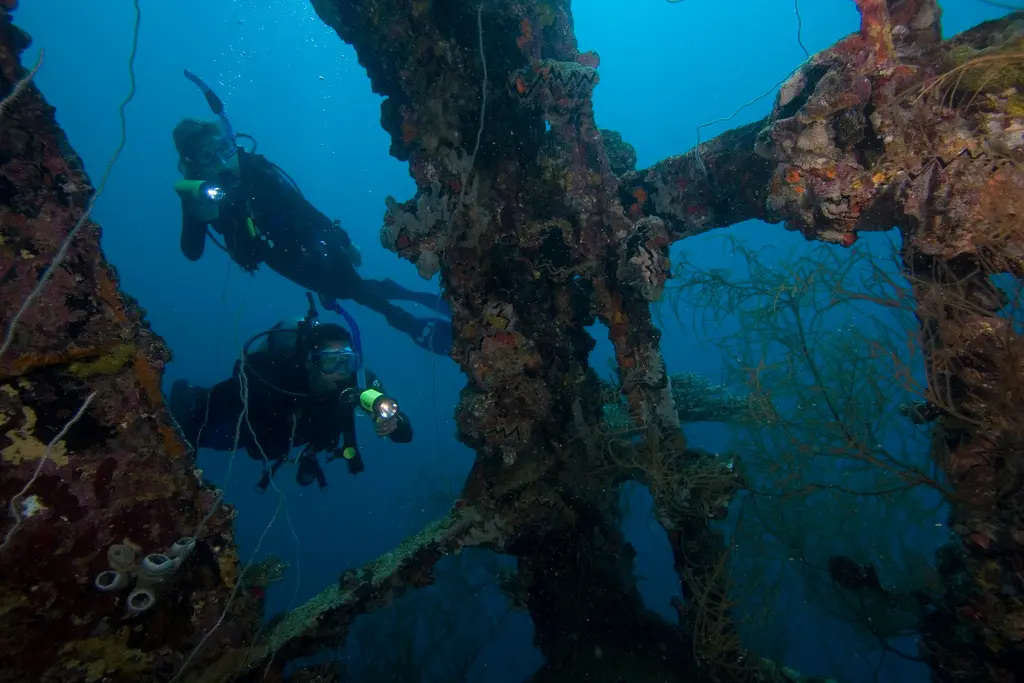
If you have been sunk on purpose as an artificial reef if you have been the result of an accident, wrecks are fascinating windows open to the past. Most divers find wrecked ships, airplanes and even automobiles nearly irresistible because they are intrigued to explore, exciting adventures and discovery by the aquatic life that usually swarming between them. The PADI Dive in sunken ships teaches you the details of the rewarding dive responsible in wrecks.
The fun part
The fun part of the PADI Wreck Diver course is visiting wrecks, unlocking mysteries and starting to gain the knowledge and experience that allows you to see things that others overlook. Sometimes, only the trained, experienced eye recognizes that a small hole or open door likely was the cause of the disappearance of the ship.
What you will learn:
-
Techniques for diving exploring shipwrecks, and how to avoid the most common dangers.
-
How to research and learn the background of your favorite wrecks.
-
Considerations on the wreck scuba diving equipment.
-
Considerations and techniques for entering intact wrecks.
-
Experience in planning, organizing and making at least four wreck dives under the supervision of your PADI Instructor.
PADI dry suit Diver
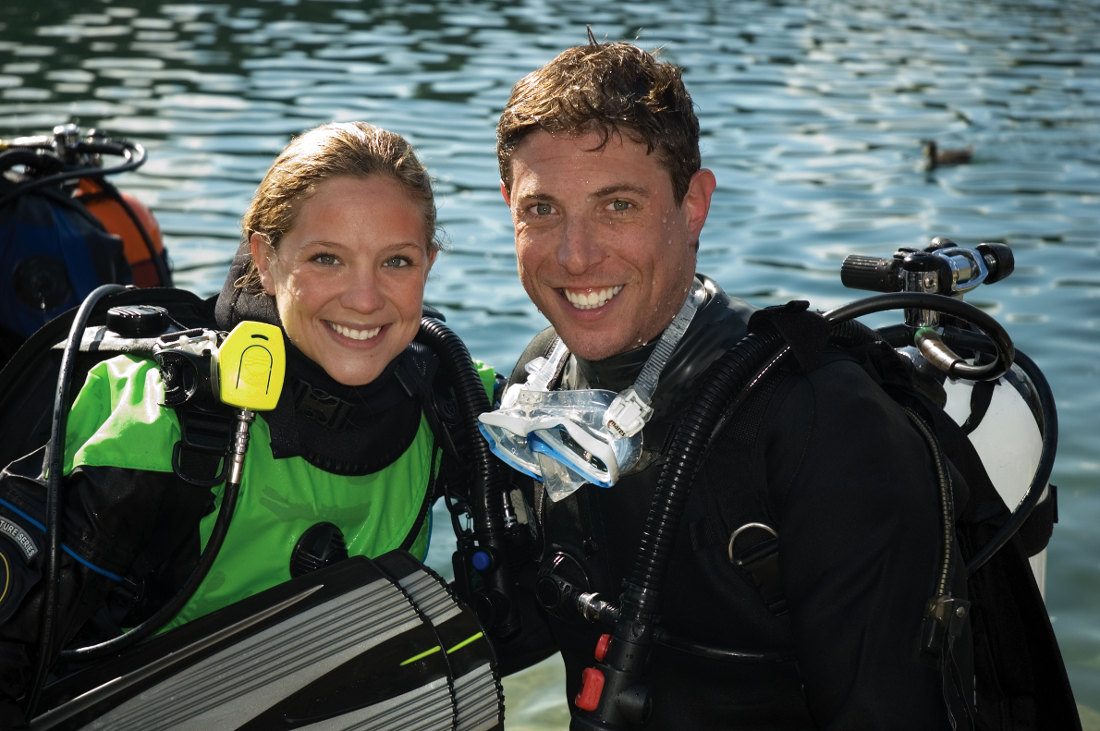
Do you want to stay toasty on a dive? Then dive dry. Yes! Unlike a wetsuit, a dry suit insulates you from the outside water and that keeps you warm! Even in the water is surprisingly cold.
The fun part
Dry suits let you dive sites, most challenging, and extend your dive season. When you are prepared to dive in cold water, adequate, you can stand up to the elements and take advantage of the generally better visibility offered by winter months — especially at inland dive sites such as quarries, lakes, sinkholes and caves etc As a dry suit diver, you’re equipped to scuba dive some of the amazing dive sites of the world of the coldest regions of the planet that are best enjoyed in a dry suit even in their warmer months.
What you will learn:
-
To acquire the knowledge and skills to safely don, dive with, take off and store a dry-suit.
-
Learn about the different types of suits so you can make a well-informed decision if you decide to buy a dry suit. You will learn:
-
Techniques of control of the buoyancy with the dry suit.
-
Maintenance of dry suit, storage, and basic repairs.
-
Options underwear insulation (wool or undergarments of any kind worn under the dry suit).
